Most of your wealth is tied up in the business. We build the wealth outside it, plan the sale, and make the proceeds last.
Speak to an adviser
Six steps, from growing the business to life after you sell. The first is a free half hour and commits you to nothing.
You tell us where the business is, what you want from it and when you might step back. We tell you whether we can help, how we would go about it, and what it would cost.
Your shareholding and what the business might be worth, how you pay yourself, company and personal pensions, property, investments and cash, and the plans of any co-owners.
A year-by-year cashflow forecast showing what you need from a sale to fund the life you want, how soon you could step back, and what happens if the business sells for less, or later, than you hoped.
The right mix of salary, dividends and employer pension contributions each year, so profit becomes personal wealth with as little lost to tax as possible, while leaving enough in the company to grow.
The sale structured well before heads of terms: Business Asset Disposal Relief, how shares are held between you and your partner, timing across tax years, and a plan for the proceeds from the day after completion.
Surplus profits and sale proceeds invested to a clear strategy by our in-house investment committee, reviewed at least once a year and whenever the business or the tax rules change, all visible in Helix.
 5-star rated, 100+ reviews
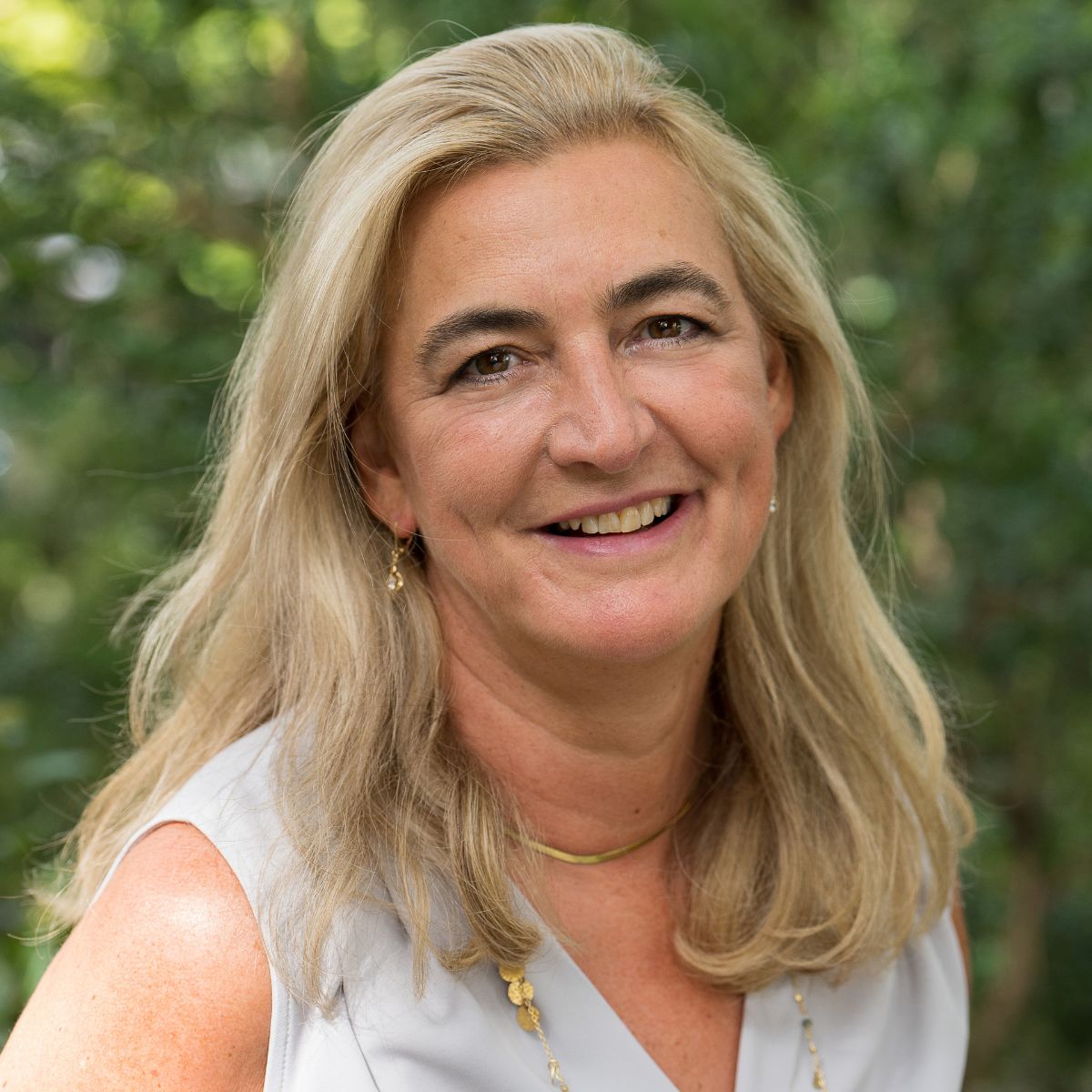
Founder and President of Miniclip
IQ client since 2015
“My family's financial goals are at the heart of the work IQ does.”Watch more client stories →
What owners ask as the business grows, and in the years before they sell.
Salary, dividends and employer pension contributions balanced each year against your tax bands and what the company needs to keep for growth.
The figure that funds the rest of your life, worked out before you negotiate, so you know which offers work and which do not.
Business Asset Disposal Relief, share ownership between spouses, timing and pension contributions, arranged well before a buyer appears.
Key person cover, shareholder protection and relevant life policies, so neither the business nor your family is left exposed.
The £2.5 million Business Property Relief allowance, lifetime gifts of shares and trusts, with wills written so no allowance is wasted.
What to keep in cash, what to invest and what to give away, and how to replace the income the business used to pay you.
The reliefs that decide how much of what you have built you keep, and how much reaches your family.
Qualifying gains on selling your business can be taxed at 18% rather than up to 24%, on up to £1 million of qualifying gains over your lifetime. It is a lifetime limit, not a yearly one.
From 6 April 2026, 100% relief is available on up to £2.5 million of qualifying business and agricultural property, with 50% relief generally applying above that. Any unused 100% allowance can be transferred to a surviving spouse or civil partner.
Both reliefs have important two-year qualifying conditions, such as ownership requirements. Planning that starts once a buyer appears can be too late.
Based on the rules for the 2026/27 tax year. Reliefs have conditions and depend on your circumstances, and tax rules may change.
Business Asset Disposal Relief now charges 18%, up from 10% before April 2025. 100% Business Property Relief is available on up to £2.5 million of qualifying business and agricultural property, with 50% relief generally applying above that. Dividend tax rates have also increased.
If your exit or succession plans were made under the old rules, they need another look.
Usually through a combination of a modest salary, dividends and employer pension contributions. Employer contributions are normally an allowable business expense and attract no National Insurance, which often makes them the most tax-efficient way to move profit out of a company.
From April 2026, dividends above the £500 allowance are taxed at 10.75%, 35.75% or 39.35% depending on your band. The right mix changes with your income, your plans for the business and the rules each year, so we revisit it annually.
Gains are subject to capital gains tax at 18% or 24%, after the £3,000 annual exempt amount. If you qualify for Business Asset Disposal Relief, gains up to your £1 million lifetime limit are taxed at 18%.
The final bill depends on how the sale is structured, how shares are held between you and your partner, the timing, and whether part of the price is deferred. Most of those decisions need to be made well before a sale is agreed.
A relief that reduces capital gains tax to 18% on up to £1 million of qualifying gains over your lifetime. For shares in a trading company, you generally need to have held at least 5% of the shares and voting rights and been an officer or employee for two years before the sale.
Large investments or cash held inside the company can put the trading status at risk, which is one reason to plan early.
Ideally three to five years before you want to sell, and at least two years before, so the conditions for the main tax reliefs can be met and your personal finances are ready for the change.
Starting early also gives time to work out what you need from a sale, which makes it far easier to judge an offer when one arrives.
Since 6 April 2026, 100% relief from inheritance tax applies to the first £2.5 million of qualifying business and agricultural assets, with 50% relief above that. Any unused allowance can pass to a surviving spouse or civil partner, and shares in AIM companies now receive 50% relief.
Wills written under the old rules can waste an allowance, so they are worth reviewing alongside any plans to gift shares during your lifetime.
It depends on your tax position and your plans for the business. Investing inside the company avoids paying personal tax to extract the money first, but significant investments can affect the company's trading status and put Business Asset Disposal Relief and Business Property Relief at risk.
Employer pension contributions are often a middle route: money leaves the company tax-efficiently without being taxed as income on the way.
Nothing in a hurry. We usually keep enough in cash to cover the first year or two, use your ISA and pension allowances, and invest the rest in stages to a strategy built around the income you now need to replace.
It is also the moment to review your will, your inheritance tax position and any gifts to the next generation.
The first meeting is free. After that it depends on whether you need a single piece of advice or ongoing planning and investment management. We publish the whole fee structure, so you can check the numbers before you speak to anyone.
Half an hour with an adviser about your business, your exit and what comes after.
Book a call