Financial markets have been volatile so far this November, unsettled by changing interest-rate expectations, geopolitical tensions and renewed doubts about the AI investment boom. Early in the month, the US midterm elections produced a decisive outcome in the Democrats' favour. This initially lifted sentiment on Wall Street, with both equities and US Treasury prices rising, while crude oil prices fell sharply as investors saw a greater chance of US–Iran de-escalation.
But that relief rally proved short-lived. Strong US employment data and hotter-than-expected October inflation revived expectations of further tightening by the Federal Reserve. Markets have now fully priced in a 25-basis-point rate rise in December, with a smaller chance of a 50-basis-point move. Treasury yields surged, with the benchmark 10-year yield back above 5% and the two-year yield rising about 35 basis points in a single week. The US dollar, meanwhile, has strengthened to its highest level since May 2025.
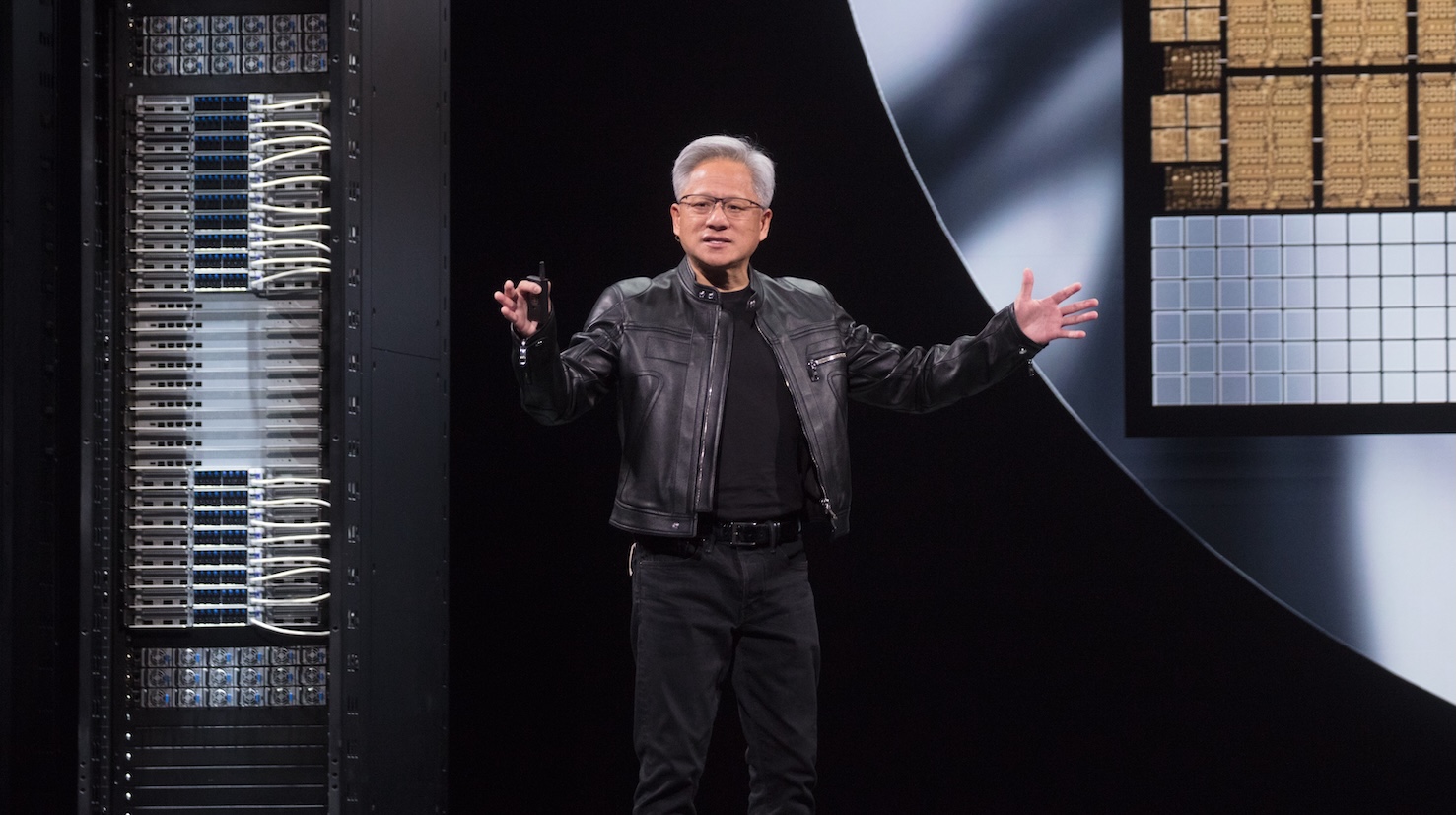
Then came the news that Jensen Huang, Nvidia's chief executive, had resigned. He stepped down on 12 November after admitting an affair with a woman whom US intelligence agencies reportedly believe passed information to China, which led to an independent board investigation.
His departure raised questions about who will lead Nvidia next and how well it will execute its plans, unsettling its shares and the wider AI sector, while rivals AMD and Broadcom gained as investors reassessed the potential winners across the sector.
The pull-back in the US technology sector has seen Nvidia lose about US$2.0 trillion of its market value, roughly a 35% fall from its all-time high on 6 October. It also prompted a sector rotation, as investors moved out of tech stocks and into more defensive sectors such as energy, healthcare and consumer staples.
Eventually, news that Nvidia's chief financial officer, Colette Kress, would become interim CEO seemed to steady markets, and some brave investors began buying back into the more depressed tech names, including Nvidia and other AI-linked stocks.
By mid-November, after a disastrous start to the month, US stocks had posted their first weekly gain since October. However, sentiment remains fragile ahead of Nvidia's earnings report, due out this week, and Anthropic's forthcoming stock market listing.
In commodity markets, oil prices have swung sharply on geopolitical developments, inflation concerns and further supply disruption. But hopes of US–Iran de-escalation did help the price of Brent crude fall for two consecutive weeks. In base metals, both copper and iron ore prices have weakened, reflecting softer demand expectations and putting pressure on mining stocks.
In the UK, markets have been shaped by the Autumn Budget, firmer economic data and a Bank of England rate rise. The Budget was relatively restrained. Bank and gambling shares rallied because sector-specific tax increases were less severe than originally feared, while higher defence spending supported defence stocks.
Prime Minister Andy Burnham has pushed for closer UK–EU ties, arguing that Brexit has not delivered its promised benefits. This saw sterling strengthen on expectations of better growth and a more constructive relationship with Europe. Sterling has broadly been improving in recent months, especially against the euro, but the move has been uneven and it has recently given back some ground against the US dollar. The best broad measure is the Bank of England's trade-weighted sterling effective exchange-rate index, which reached 86.4 on 4 November, its joint highest level since the June 2016 Brexit referendum.
Meanwhile, inflation and energy-price pressures have prompted the Bank of England to raise interest rates for the first time since 2023, taking Bank Rate to 4%. The market is now pricing in a meaningful chance of further increases, which has weighed on interest-rate-sensitive sectors such as construction and housing.
Nonetheless, the FTSE 100 has proved fairly durable over the past month and has been one of the better-performing developed markets, helped by the oil majors, healthcare and consumer staples. The main risks now are higher borrowing costs, persistent inflation and uncertainty over UK–EU relations.
Overall, global equity markets have been volatile and regionally divided over the past month. The early AI-driven sell-off has given way to some buying support, but renewed doubts about the massive AI infrastructure spending programmes, and whether they will produce adequate returns, are creating uncertainty. Higher financing costs and continued geopolitical uncertainty are also adding fuel to the fire.
While we remain fairly bullish on global equity markets over the coming weeks, helped by seasonal factors, we think 2027 is likely to be more demanding as AI tailwinds fade and monetary conditions tighten. Even so, resilient corporate earnings and broader growth prospects could still support markets and help them deliver positive returns.

